
The Strategic Guide to Hunting Leases: What Every Rural Landowner Should Know
Audio summary
By: Lara Herboldsheimer
Owning rural land is one of life’s greatest blessings, providing a retreat from the bustle of the city. However, stewardship comes with significant costs—from rising property taxes to the relentless pressure of crop damage caused by deer, feral hogs, turkeys, and other wildlife.
For many landowners, a professional hunting lease is the most effective tool to offset these expenses while simultaneously implementing a wildlife management plan. If you don't hunt the property yourself, leasing the hunting rights allows you to turn your acreage into a revenue-generating asset.
Here is an educational breakdown of how a structured lease works and the key factors you should consider protecting your interests.
Understanding the Hunting Lease Agreement
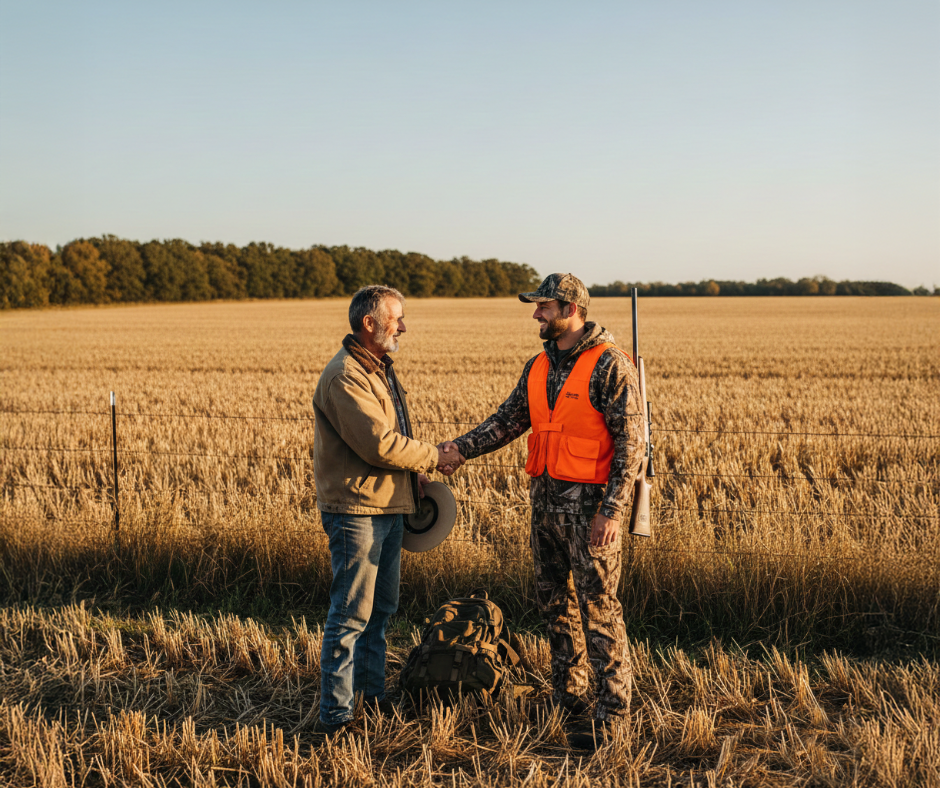
At its core, a hunting lease is a legal contract between a landowner and a hunter (or group) granting exclusive access to harvest wildlife for a specific period. While these agreements vary, a well-structured lease serves as a roadmap for the relationship, ensuring your expectations are met and your property is respected.

Determining Market Value
Pricing a lease is a balance between generating meaningful income and ensuring the property remains attractive to high-quality, long-term tenants. To determine a fair market rate, consider these variables:
- Acreage and Habitat: Diverse terrain with a mix of timber and water commands a premium.
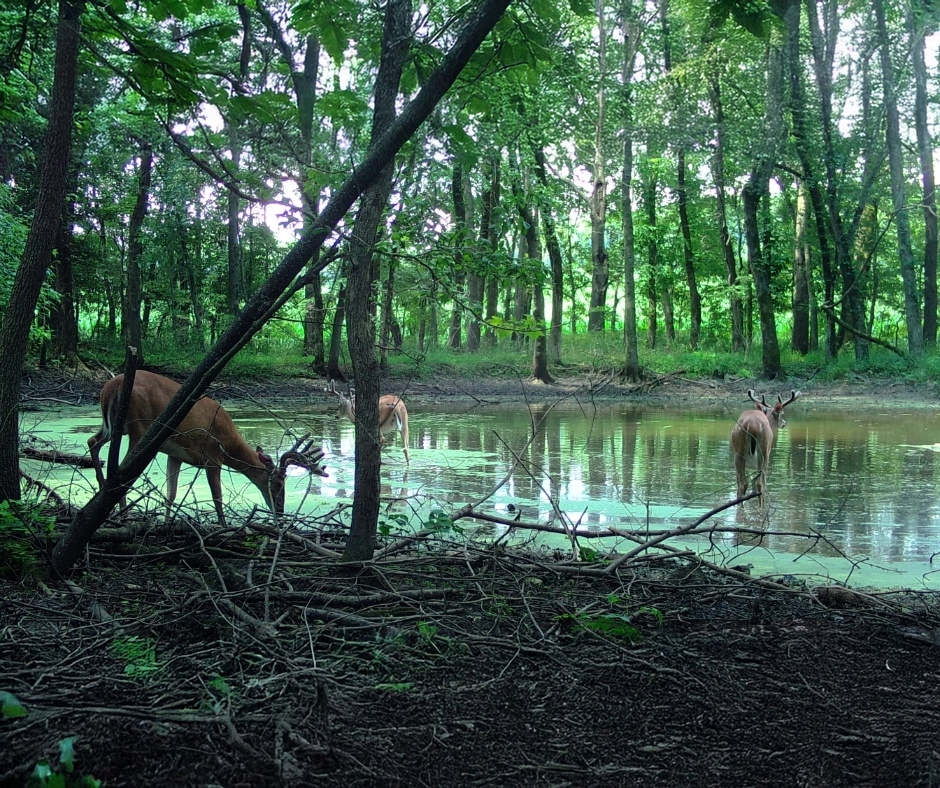
- Wildlife Quality: Properties known for mature trophy animals or high species diversity are more valuable.
- Proximity: Land within a reasonable drive of major metropolitan areas often sees higher demand.
- Local Comparisons: Research the price-per-acre for similar tracts in your county.
Pro Tip: Many landowners utilize an experienced agent like Base Camp Leasing to handle the valuation and marketing, ensuring they receive top-tier market value without the stress of "haggling."
Duration and Continuity
Most leases are established on an annual basis. This provides the landowner with consistent yearly income and gives the hunters the incentive to invest in the land. When hunters know they will be returning year after year, they are more likely to act as stewards—maintaining trails, reporting trespassers, and managing the local herd responsibly.
Managing Density and Exclusivity
The number of hunters allowed on a property is a critical safety and value consideration.
- Safety: Overcrowding a property increases safety risks.
- Value: "Exclusive" rights (meaning only the lessees are permitted to hunt) are significantly more valuable than "open" access.
- Parceling: If you own a large tract, you may choose to split it into separate parcels to maximize revenue while maintaining a safe hunter-to-acreage ratio.

Defining Land Use and Modifications
Your lease agreement should explicitly state what hunters can and cannot do on the property. Common points of discussion include:
- Structures: Will you allow permanent stands, or only portable "hang-on" stands?
- Food Plots: Allowing hunters to plant food plots can significantly improve your soil quality and wildlife health at no cost to you.
- Timber Management: Are hunters allowed to clear brush for shooting lanes or maintain existing logging roads?
Access and Logistics
To maintain your privacy and peace of mind, define access points in the contract. Since hunters often arrive before dawn and leave after dark, specifying which gates or roads they should use ensures that their activity doesn't disrupt your daily life or farm operations.
Sponsored
Specifying Target Species
As the landowner, you hold the right to decide which species are harvested. You may choose to lease "all-game" rights, or you might prefer to limit hunting to specific species (e.g., deer and turkey only) to protect others. Clear communication here prevents misunderstandings during the season.
A Partnership in Stewardship
Leasing your land is about more than just a check; it’s about finding a partner who shares your passion for the outdoors and respects your property's boundaries. By establishing clear goals and a professional agreement, you can reduce crop depredation, increase your property’s security, and create a sustainable revenue stream.
Ready to see what your property could earn? Contact the experts at Base Camp Leasing to receive a professional assessment and start your journey toward a rewarding leasing experience.
Frequently asked questions

Related articles


Leave A Comment