
By: Connor H
/
Reading time: 6.6 min.
Audio summary
By: Connor H
Properly posting your private land.
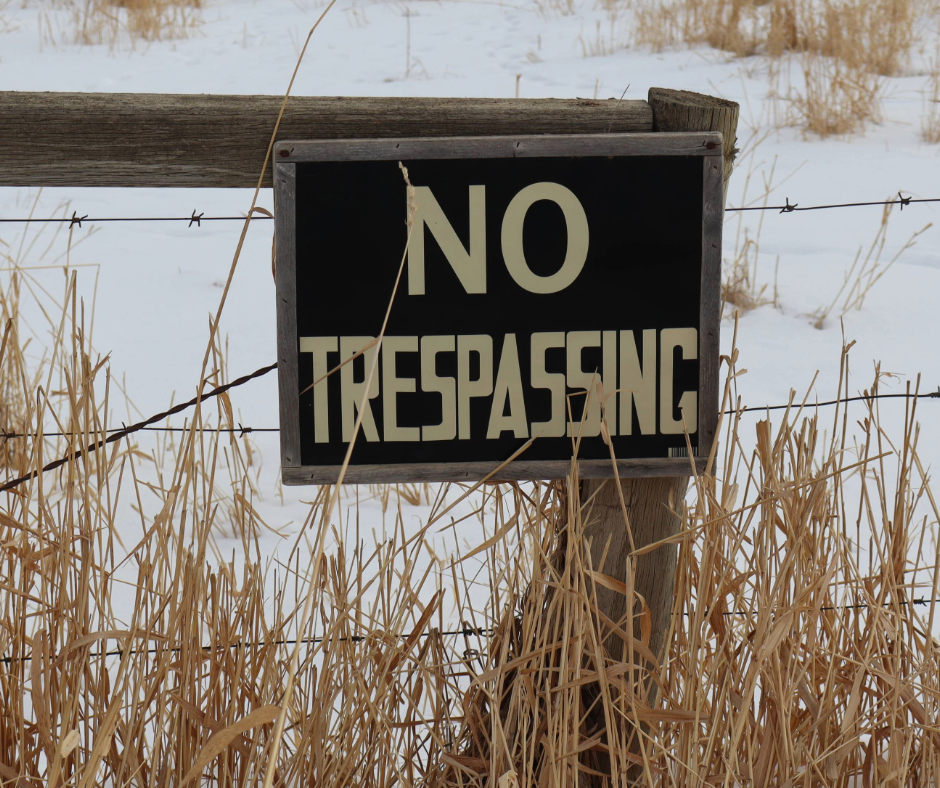
Owning land is a dream come true. Having your own property to steward and improve is a blessing that many individuals aspire to. Once you have it, though, what is the best way to post your property with “No Trespassing” signs? How visible and how far apart should these be? Where can you buy them? Is it the same in every state? These are all important questions. Here’s some of what you should know.
Editor’s Note: This is not legal advice. Those seeking legal advisement should consult a qualified attorney. Share your legal concerns and questions with qualified professionals who understand law, liabilities, and the intricacies of land. Consult your personal lawyer for legal advice and input regarding addressing potential trespassing issues.
Realize Property Posting Laws Vary by Location
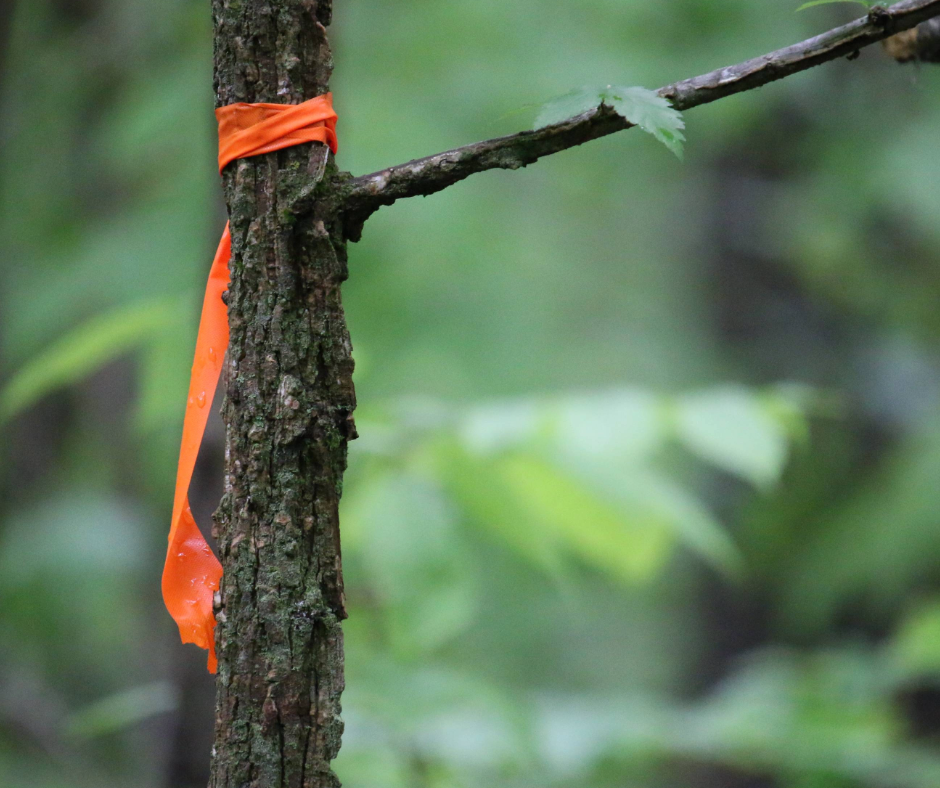
Each state has slightly different laws regarding the posting of “No Trespassing” signs. Oftentimes, these regulate the size of signs, wording required on signs, placement of signs, frequency and spacing between signs, and much more. It even impacts the color of signs and paint used to mark boundaries. It’s crucial to study state statutes to determine your property borders are properly marked and easily identified.
Know if Color Matters
As noted, it’s important to know if color matters to boundary marking or not. Sometimes, states might require purple, yellow, or other color(s) to identify property boundaries. Read the state statutes and follow these accordingly.
Understand Visibility Matters
Visibility is a key factor in marking property lines. These should be easy to see. Post signage and markings at eye level. When possible, use reflective signage. Do everything possible to ensure these signs are highly visible.
Know the Distance Between Signs
Most states have a maximum distance between signs to be considered properly marked. Spacing signage and markings at regular intervals allows those on neighboring tracts to easily recognize property lines. This allows you to protect your borders and ensure no one accidently crosses the property line from either side of it.
Buy Signage
Start by buying signage for your property. (AHLA can help with this.) Select durable signs that are more likely to stand up to weather and time. Secure these well enough to withstand wind, rain, and other elements. Use strong wire, nails, staples, etc., to post the signs. Be sure you buy enough signs to space them according to state and local laws.
Post Obvious Entry Points and Paths
While all borders should be posted, spend extra time and resources posting important areas. First, hang gates and signs at obvious entry points. Post signs along roadbeds, logging roads, and other commonly travelled pathways. Anywhere people are more likely to be, should receive extra attention.

Install Strategic Borders
Some might consider installing strategic borders along their property lines. Examples include fencing, conifer (evergreen) trees, or other tall things. You might even use existing natural vegetation, or allow natural vegetation to grow, to increase privacy along borders and make property lines more obvious.
Use Security Cameras
Those who are more worried about their property lines, or who have experienced trespassing issues, might post security cameras. Traditional security camera models can work well around buildings and power sources. That said, modern cellular trail cameras are perfect for posting close to property lines. These are ideal for monitoring problem areas, entry points, and other areas that are easier to enter the property.
Secure a Vacant Land Insurance Policy
Even those who’ve properly marked their boundaries should secure a vacant land insurance policy. In some instances, landowners can be held liable even when trespassers get hurt on their land. Therefore, it’s crucial to protect yourself with insurance.
Sponsored

Related reading: Absentee Landowner? Safeguard Your Property Investment from a Distance
Frequently asked questions

Related articles

October 21, 2026
Does your land qualify for an agricultural property tax break? Here's how use-value assessment works, the common tests, state examples and the rollback taxes to watch for.
October 19, 2026
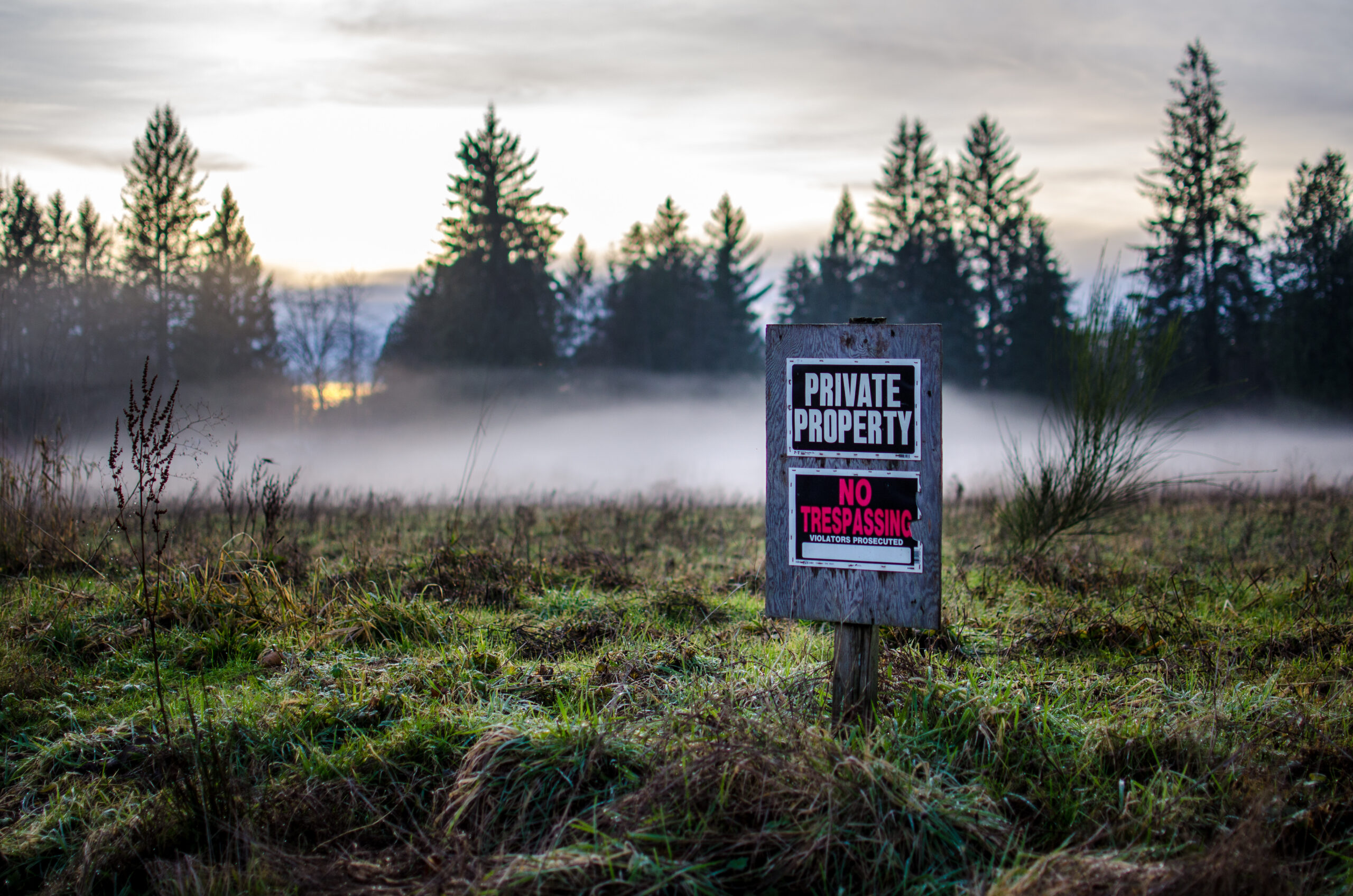
Poachers often target private land during deer season. Here's how to post your property, spot the warning signs, report poaching safely and protect yourself from liability.
October 14, 2026
Every state has a recreational use statute that limits a landowner's liability when people hunt, fish or hike on their land for free. Here's how these laws work, where the protection ends, and what to do if you lease.
April 7, 2026
Steps to take to prevent attractive nuisance injuries. Landowners might wonder, how can I prevent guest accidents and injuries on . . .
