
By: ALA Staff
/
Reading time: 8.5 min.
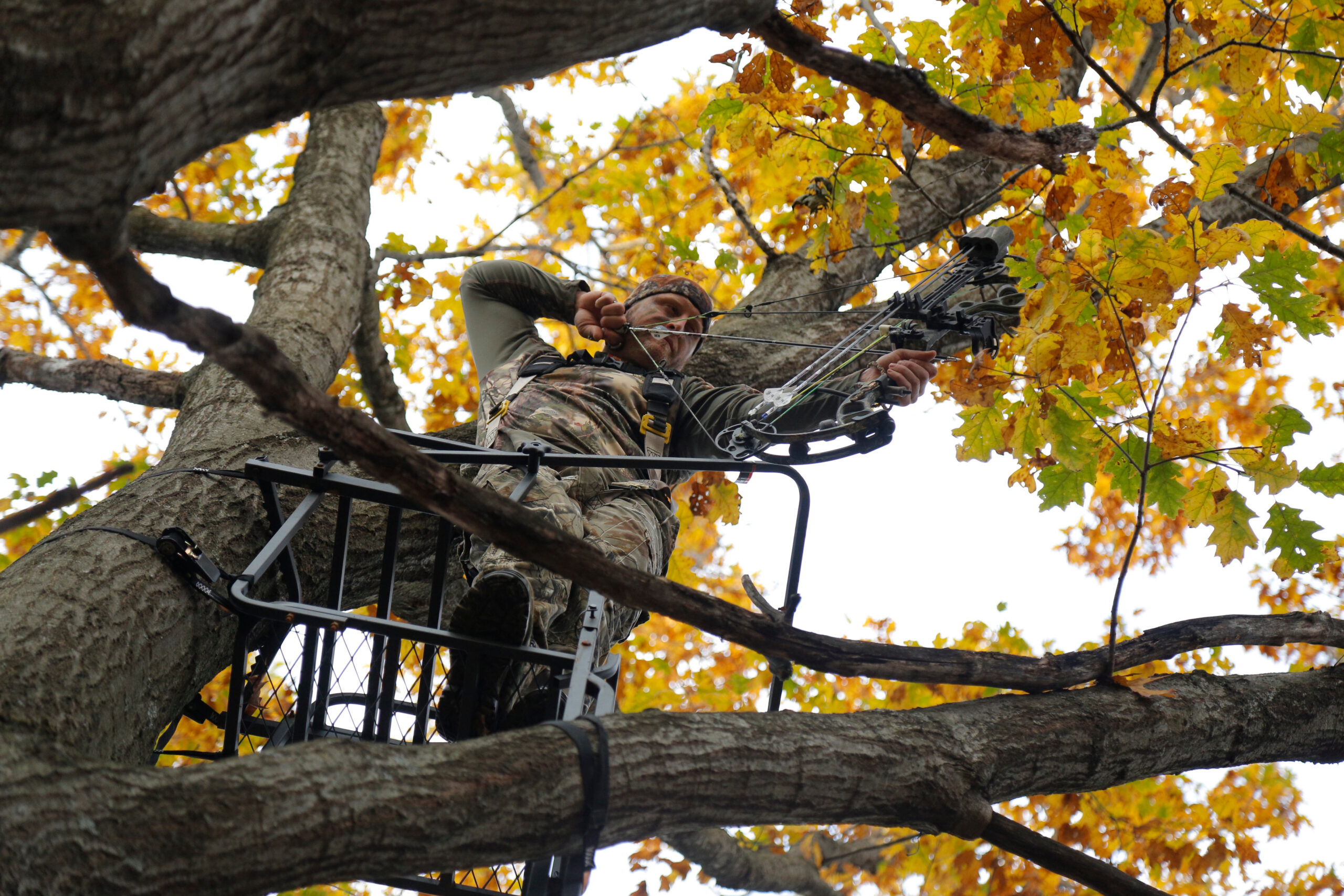
Tree stands put hunters high off the ground on your property. Here’s how to keep that risk from landing on you.
If a hunter falls from a tree stand on your land, your liability depends mostly on whether the hunter paid to be there, who owned and maintained the stand, and your state’s law. Clear stand rules, a written lease and the right insurance are what protect you.
Key takeaways
- Tree stand falls are one of the most common causes of serious hunting injuries, and a Wisconsin study found the rate was not going down.
- Recreational use statutes usually protect landowners who allow free hunting, but charging a lease fee typically raises the duty of care you owe.
- Landowners who build, maintain or repair stands can take on more liability than those who require hunters to bring and maintain their own.
- Written lease terms on stands, harnesses, assumption of risk and indemnification help, but they cannot stop a lawsuit.
- Insurance pays for your legal defense as well as any settlement, which is why it belongs in every hunting lease plan.
Why Tree Stands Are a Landowner Issue
Most hunting injuries people picture involve firearms. In reality, falls from elevated stands are a leading cause of serious hunting injuries. Iowa State University’s Center for Agricultural Law and Taxation notes that studies have found tree stands lead to more injuries than firearms in a hunting context.
A study of the 2009 to 2013 Wisconsin deer seasons by researchers at Marshfield Clinic, the National Farm Medicine Center and the Wisconsin Department of Natural Resources tracked medically treated tree stand falls among about 16,700 local hunters each year. According to the Marshfield Clinic Research Foundation’s summary:
- Falls happened at a steady rate of about 5 per 10,000 hunters per year, which the researchers estimated at roughly 200 to 250 falls statewide each year.
- 77% of falls happened during archery-only season.
- 28% happened while the hunter was climbing down.
- Broken stand parts were reported in 18% of falls.
- Two deaths were linked to the falls during the study period.
For a landowner, the takeaway is simple: if hunters use stands on your property, a fall is a realistic possibility, not a remote one. The question is who bears the cost when it happens.

What the Law Generally Says
Landowner liability for injuries to people on your land is mostly a matter of state law. Two things usually matter most: whether the hunter paid, and how much control you had over the stand that failed.
This article covers general principles. The details vary from state to state, so check your own state's statutes or talk to a local attorney before relying on any of them.
Free Permission vs. a Paid Lease
Every state has some form of recreational use statute that limits a landowner's liability when people hunt or fish on the land for free. In North Carolina, for example, NC State Extension explains that a landowner who allows recreational use without charge owes the visitor the same duty of care owed to a trespasser.
Charging changes the picture. NC State Extension notes that hunters who pay with cash, payment in kind or habitat work are generally treated as invitees, the category that gets the most protection under the law and puts the most liability on the landowner. Iowa State's agricultural law center says the same about Iowa: once you charge a fee, such as through a hunting lease, you owe a higher degree of care.
Even free permission has limits. Statutes such as Iowa's do not protect a landowner who willfully or maliciously fails to guard or warn against a known dangerous condition, such as a rotting stand you know about.
Who Owns and Maintains the Stand Matters
Written hunting leases generally help define and limit a landowner's liability. But NC State Extension lists an important exception: liability can increase when the landowner agrees to maintain facilities or make repairs, and it specifically names tree stands.
That is why many landowners prefer that lease hunters bring, install, inspect and maintain their own stands. If you do provide permanent stands or ladder stands, treat them as your responsibility: inspect them before each season, document what you checked, and remove any you cannot keep in safe condition.
Practical Steps to Lower the Risk
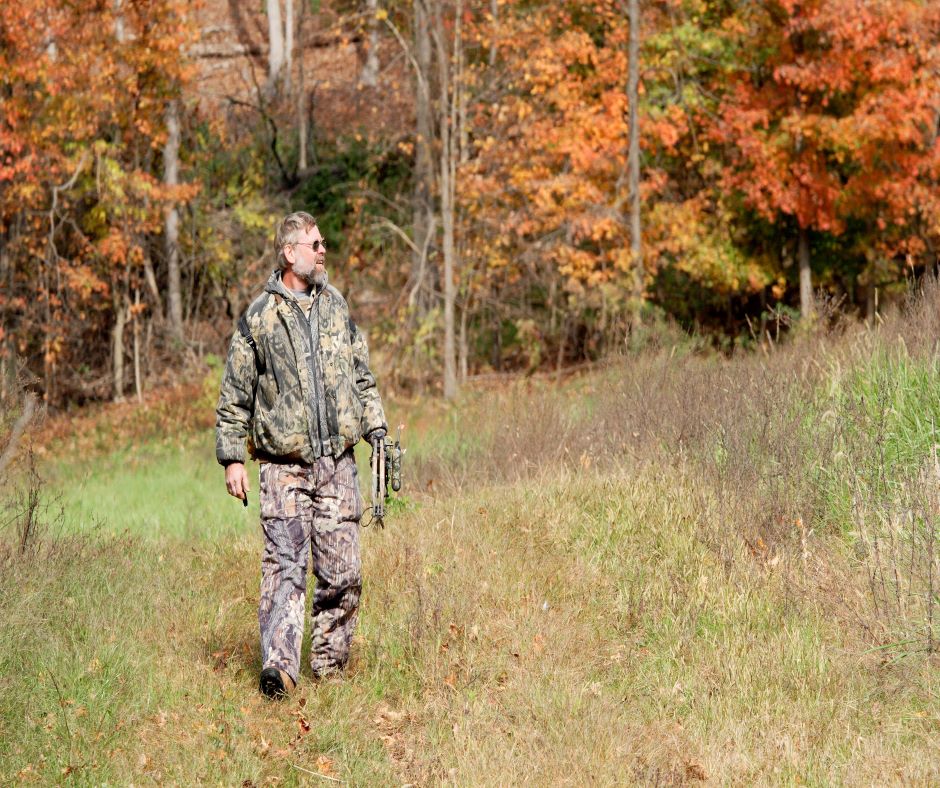
Good rules reduce accidents, and documented rules show you took reasonable care if something goes wrong. Common recommendations from extension specialists include:
- Require a full-body safety harness at all times while climbing, sitting and climbing down. Iowa State's guidance says hunters should be required to wear one at all times.
- Require stands that meet industry standards. Iowa State's guidance points to Treestand Manufacturers Association (TMA) standards.
- Never allow stands in dead or damaged trees.
- Require pre-season inspections of straps, chains, ladders and platforms, and replace weathered straps.
- Set a removal rule so old stands do not stay up for years after a hunter leaves.
- Know where every stand is. A simple map with locations and owners helps you, your insurer and emergency responders.
- Warn about hazards you know about, in writing, such as a dying tree line or a stand you have not inspected.
Our article on preventing guest accidents and injuries covers more general safety steps for anyone you allow on your land.
Put Stand Rules in Your Written Lease
If you lease your land, the lease is where your stand rules become enforceable. Iowa State's agricultural law center recommends that hunters agree to assume the risk and to pay any damages they cause to others. Clauses worth including:
- Who may put up stands, what types are allowed and where.
- A mandatory harness rule and an inspection requirement.
- A statement that you do not inspect, maintain or guarantee any stand the hunter installs.
- Assumption of risk and indemnification language.
- Proof of the hunters' own liability insurance, with you named as an additional insured.
- Removal of stands at the end of the lease.
Waivers can help with adults, but Iowa State notes a waiver would not protect a landowner against claims involving children under 18. Our clause-by-clause hunting lease checklist covers the rest of the agreement.

The Grey Areas: Why No Law or Lease Makes You Lawsuit-Proof
Even with good rules and a solid lease, tree stand liability is rarely black and white:
- Laws vary by state. Recreational use statutes, the definition of a fee, and how a waiver is treated all differ. Some states treat in-kind payments, such as habitat work, the same as cash.
- Courts decide case by case. Whether you "maintained" a stand, knew about a hazard or warned adequately are fact questions a judge or jury may answer differently than you expect.
- Anyone can still sue you. A statute or waiver may help you win, but it does not stop a lawsuit from being filed.
- Defense costs money. Even a case you win can mean attorney fees, depositions and months of stress.
- Minors and guests complicate things. A hunter's child or friend who never signed anything may not be bound by the lease.
That is where insurance comes in.
Where Liability Insurance Fits
Iowa State's agricultural law center advises landowners to discuss any hunting lease with their insurer in advance. Many farm and homeowners policies limit or exclude coverage for paid recreational use, so do not assume you are covered.
Most landowners who lease build protection in two layers:
- The hunters' policy. Require the hunting club or lessee to carry hunting lease liability insurance that names you as an additional insured. Our guide on whether hunters need their own liability insurance explains what to ask for.
- Your own policy. A land or recreational liability policy in your name covers you directly, including legal defense, rather than relying entirely on someone else's coverage.
Costs vary with acreage, location and use. NC State Extension reports that many general liability policies for landowners average about $0.20 to $0.40 per acre (reviewed 2024), though your quote may differ. One option is the American Hunting Lease Association, which offers hunting lease liability insurance. Compare it with quotes from your own agent and other carriers before you choose.
The Bottom Line
Tree stands are one of the biggest real-world injury risks on hunting land. You can lower your exposure by letting hunters supply and maintain their own stands, requiring harnesses and inspections, putting those rules in a written lease, and warning about known hazards. Because laws vary and anyone can still file a lawsuit, pair those steps with liability insurance that covers both you and the hunters on your land.
This article is for general education and is not legal, tax or financial advice. Sources: Marshfield Clinic Research Foundation, Wisconsin tree stand fall study (2009–2013 seasons); Iowa State University Center for Agricultural Law and Taxation, General Legal Considerations for Hunting Leases (updated 2023); NC State Extension, Land Ownership, Liability, and the Law in North Carolina (reviewed 2024).
Sponsored